Individual Tests

Individual Tests

Filters

No results found

No results match your search. Try removing a few filters.
Find the Right Test Kit

Not every home needs every test. Use this comparison guide to match your water source and specific concerns with the right testing package. Whether you are on city water, a rainwater tank, or a private bore, we have a screen tailored to your risks.

Understanding Your Contaminants:

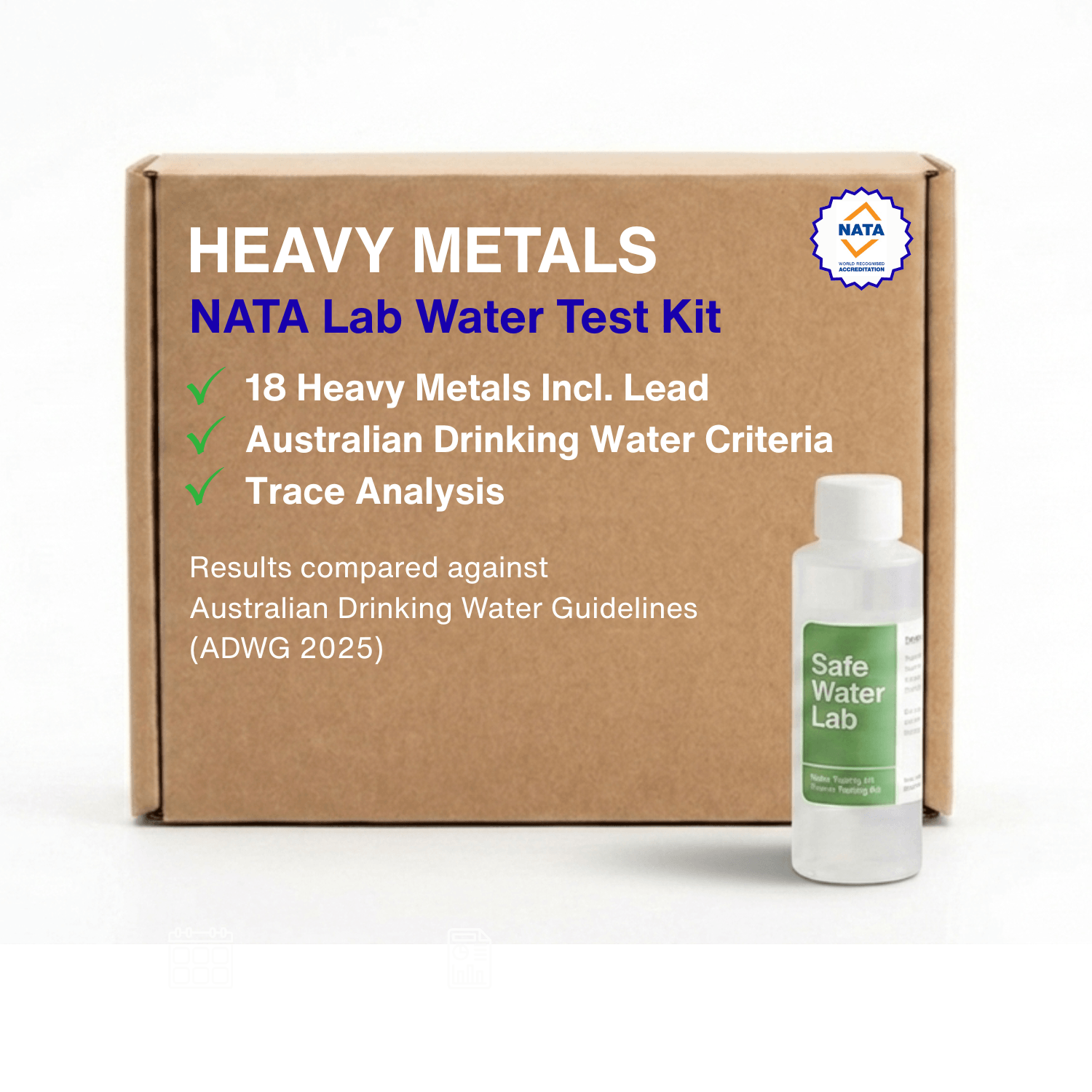
  • Metals & Pipe Corrosion: Detects toxic heavy metals like Lead, Copper, and Nickel that often leach from aging city plumbing, brass fittings, or roof flashings.

    Geological Minerals: Identifies naturally occurring elements like Arsenic, Iron, Manganese, and Uranium that dissolve into groundwater aquifers from surrounding rock and soil.

    Aesthetic & Water Quality: Measures physical traits like pH, Hardness, and Turbidity that affect the taste, smell, and appearance of your water.

    Nutrients & Rural Run-off: Identifies agricultural pollutants like Nitrates and Ammonia often linked to fertilizers, livestock, and septic tank leakage.

    Microbiology: Screens for harmful pathogens, including E. coli and Total Coliforms, which are critical safety indicators for tank and bore water.

    Pesticides: Detects insect control chemicals entering water supplies via agricultural spray drift, termite barriers, or localized pest management.

    Herbicides: Targets weed-killing chemical residues (like Triazines) that can drift onto roof catchments or leach through soil layers into groundwater aquifers.

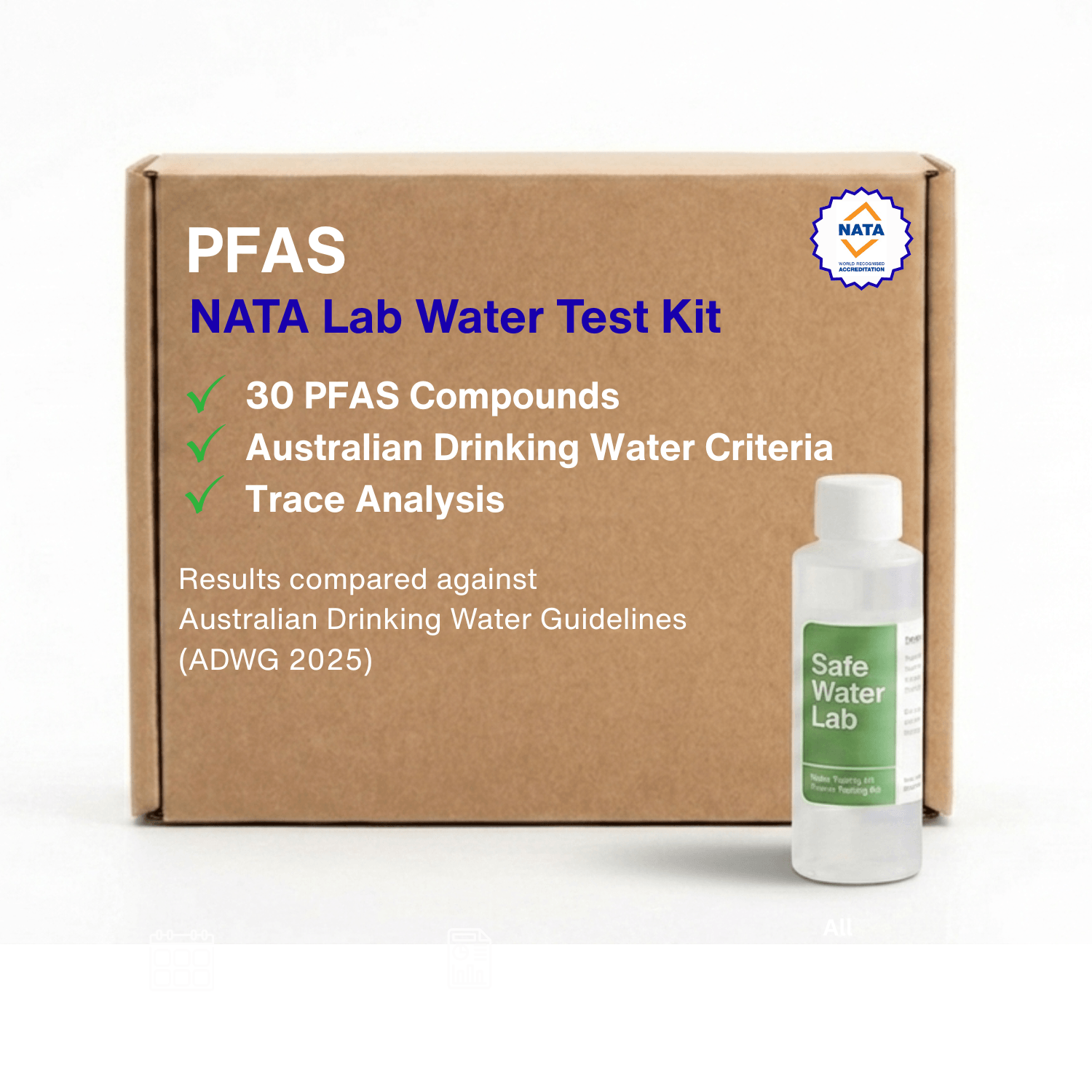
    PFAS "Forever Chemicals": Screens for persistent, man-made chemicals used in non-stick and waterproofing applications that accumulate in the body.

    Plumbing, Solvents & Glues: Detects volatile organic compounds (VOCs) found in PVC pipe cements, degreasers, and industrial adhesives.

    Industrial & Fuel Solvents: Screens for petroleum byproducts like Benzene, Toluene, and Xylenes (BTEX) often associated with fuel spills or leaking underground tanks.

    Disinfection By-Products: Targets Trihalomethanes (THMs), which are chemical compounds formed when chlorine reacts with organic matter in municipal or treated water supplies.

    Combustion Residues (PAHs): Screens for Polycyclic Aromatic Hydrocarbons—carcinogenic compounds from smoke, ash, or asphalt that can wash into tanks or aquifers.

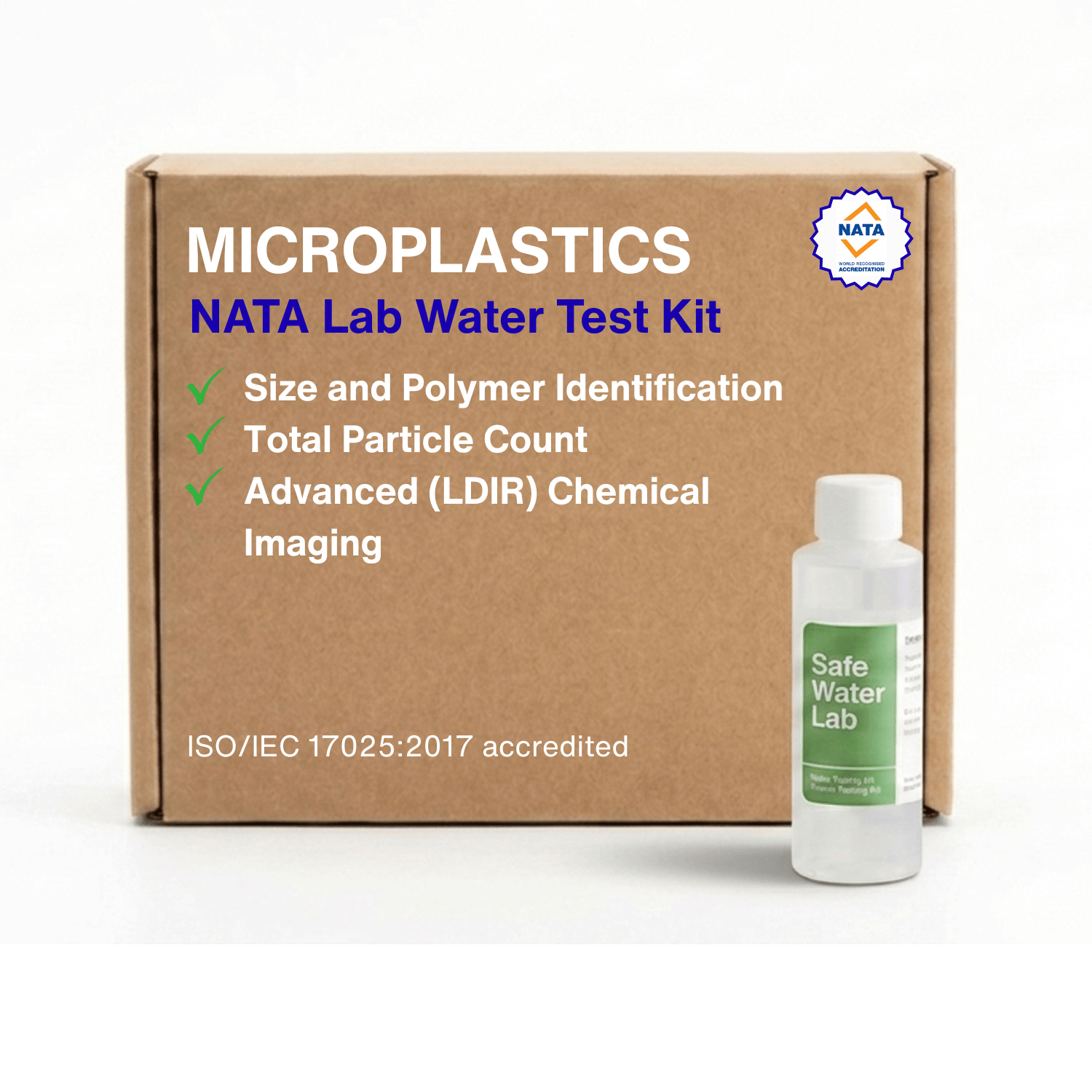
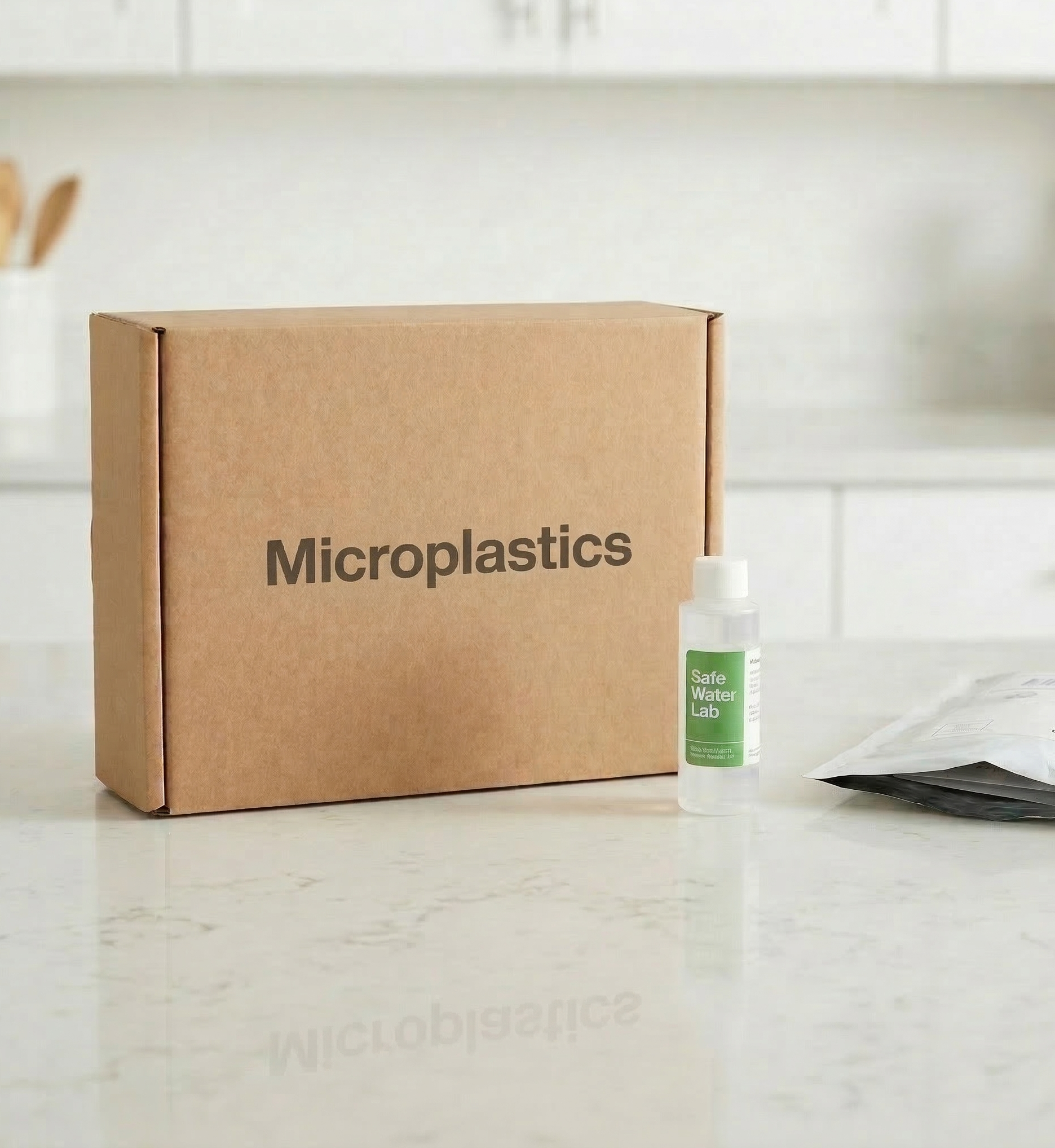
  • Microplastics: Identifies and counts synthetic polymer fragments (20µm–5mm) shedding from plastic pipes, tank liners, or environmental fallout.