Independent, NATA-Accredited Water Testing
Order a kit, sample from your own tap, tank or bore, and get a clear report in 5–7 days. On-site testing for businesses. Every result NATA-accredited and reviewed by an environmental scientist.
How to Test
However you need your water tested
Order a kit and sample it yourself, or have us attend on site — for homes, businesses, and premises on their own supply.
For your home
Order a kit
We post you everything, you collect the sample, and your benchmarked report arrives in 5–7 days. City, tank, bore and farm water.
Shop kitsFor your business
We come to you
A technician attends and samples on site, with a fixed-price quote and a report in 7–9 days. Hotels, offices, strata, gyms, cafés and venues — plus Legionella, trade waste and recreational water.
Commercial testingOn a private supply
We run your program
For caravan parks, resorts, farm-stays and food premises on tank, bore or surface water. We build your management program — and your QAP in NSW — run the monitoring, and keep your records compliant.
Private water supplyHow the Kit Works
-
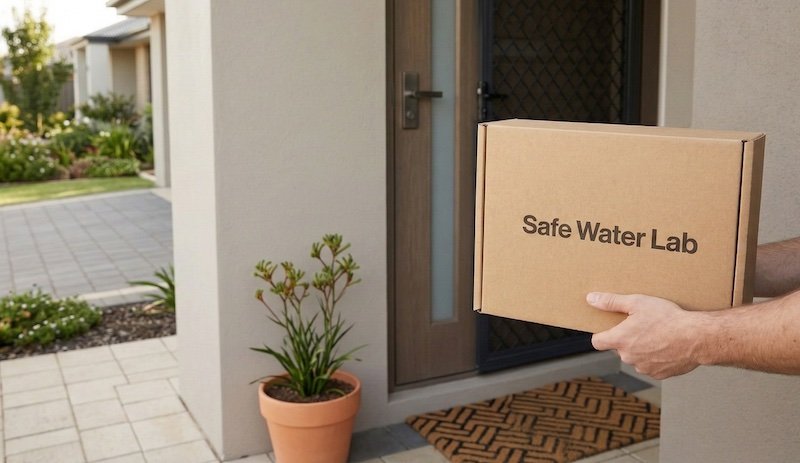
Step 1 - Select and purchase your test
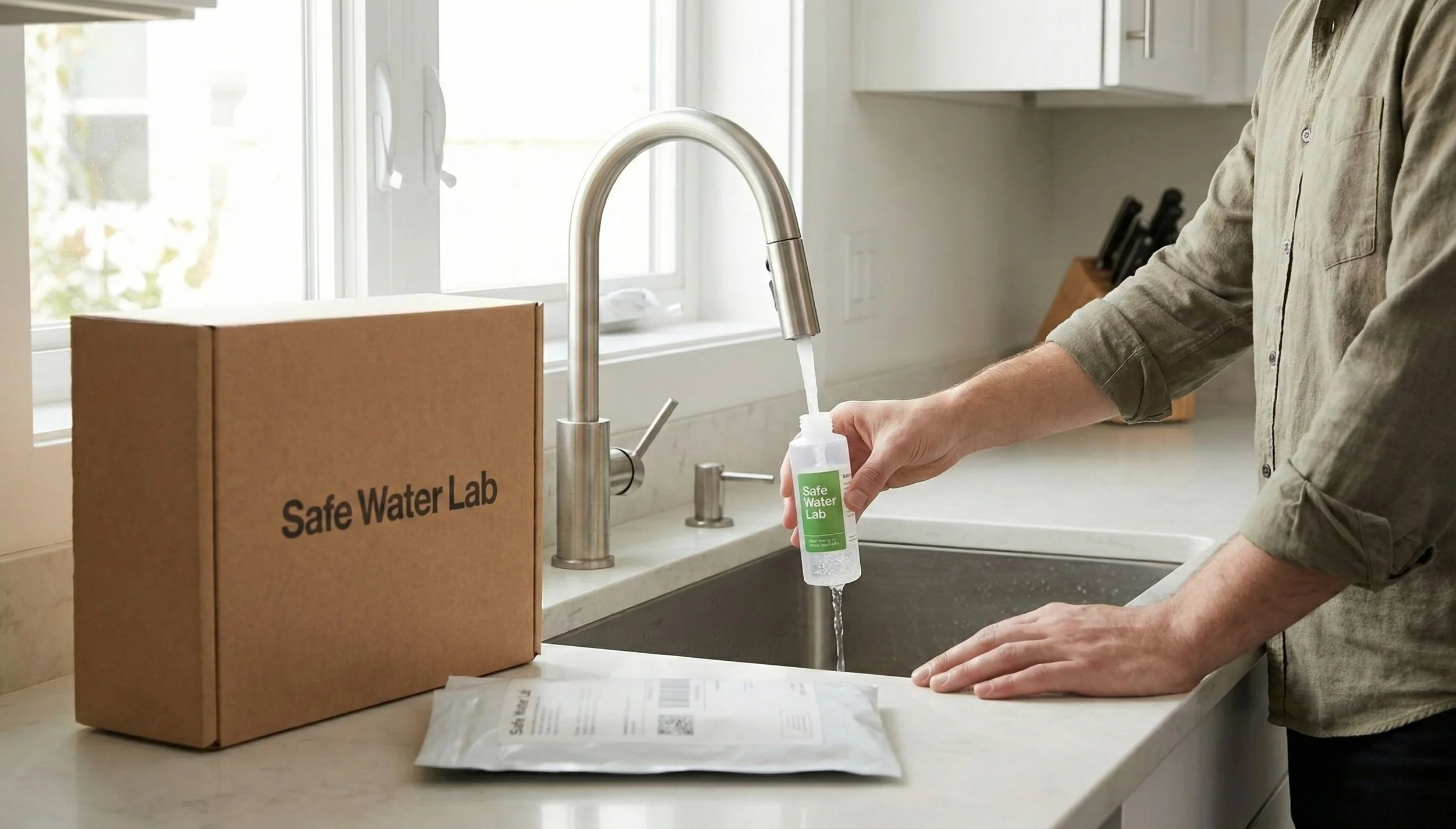
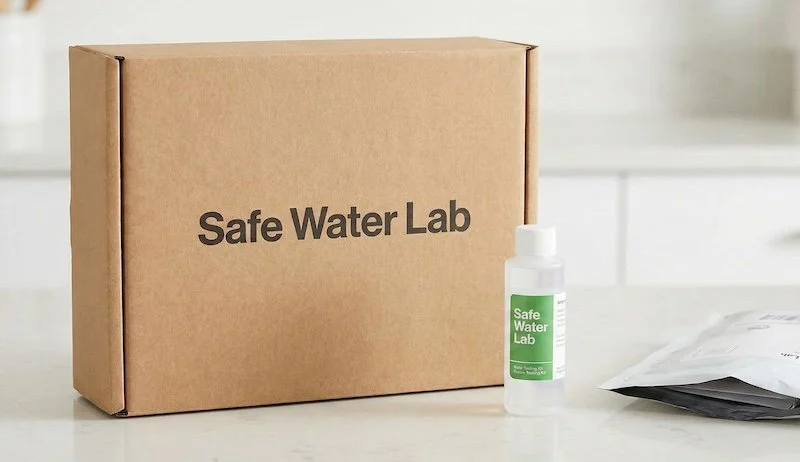
We mail you a testing kit complete with laboratory testing bottles and step by instruction of how to collect your sample.
-
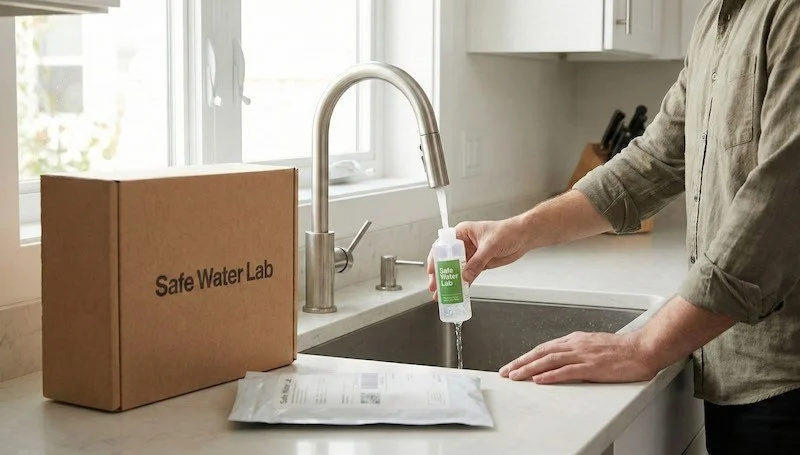
Step 2 - Collect a water sample
Fill the supplied laboratory testing bottles with a sample of your drinking water. Place the bottles in the supplied postage parcel complete with pre-paid express shipping return label and place in post.
-
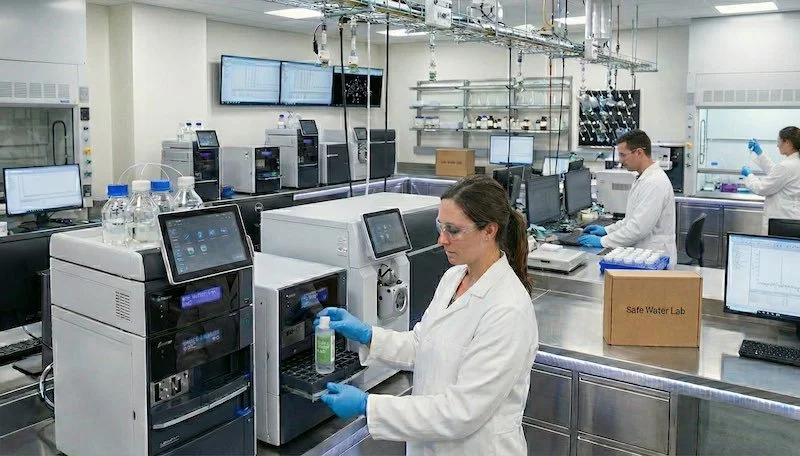
Step 3 - Laboratory Testing
Your water sample will be sent to a NATA accredited Australian laboratory for testing. Our laboratory partners typically complete the analysis within 5 business days.
-
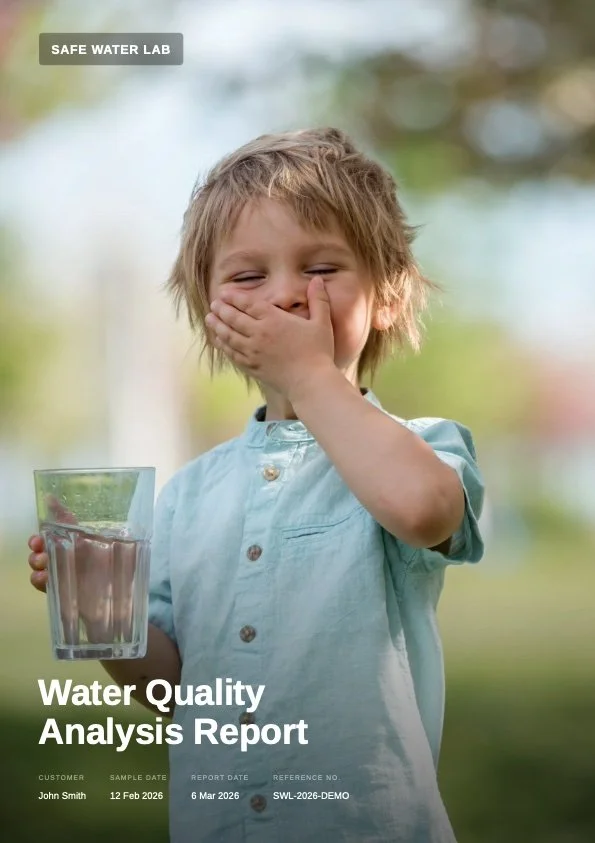
Step 4 - Receive your results
Your Water Quality Analysis Report is delivered as a digital PDF — prepared by an environmental scientist, with results benchmarked against Australian and international water quality guidelines, and the original NATA-accredited Certificate of Analysis included.
Why Safe Water Lab
A real laboratory test — built by the scientists who do this for a living.
Our kits are built by environmental scientists who assess water for councils, businesses and rural properties every day. The kit puts that same process in your hands: a NATA-accredited laboratory, trace-level instruments that detect contaminants down to parts per billion, and a test panel matched to your source — city, tank, bore or farm.
It's a different thing entirely from a test strip or a hardware-store kit, which hint at a few basics and tell you nothing at trace level. And because we're purely a testing service — we don't sell filters, softeners or treatment — what comes back is the unvarnished science. We tell you what's in your water and what it means, with nothing we'd profit from steering you toward.
When a job does need someone on site
A kit is the right tool for a home or property owner testing their own water. But some jobs need attendance: on-site collection and chain-of-custody for commercial premises, or an ongoing compliance program for a private supply. That's a service in its own right, and we provide it.
Choose Your Water Source

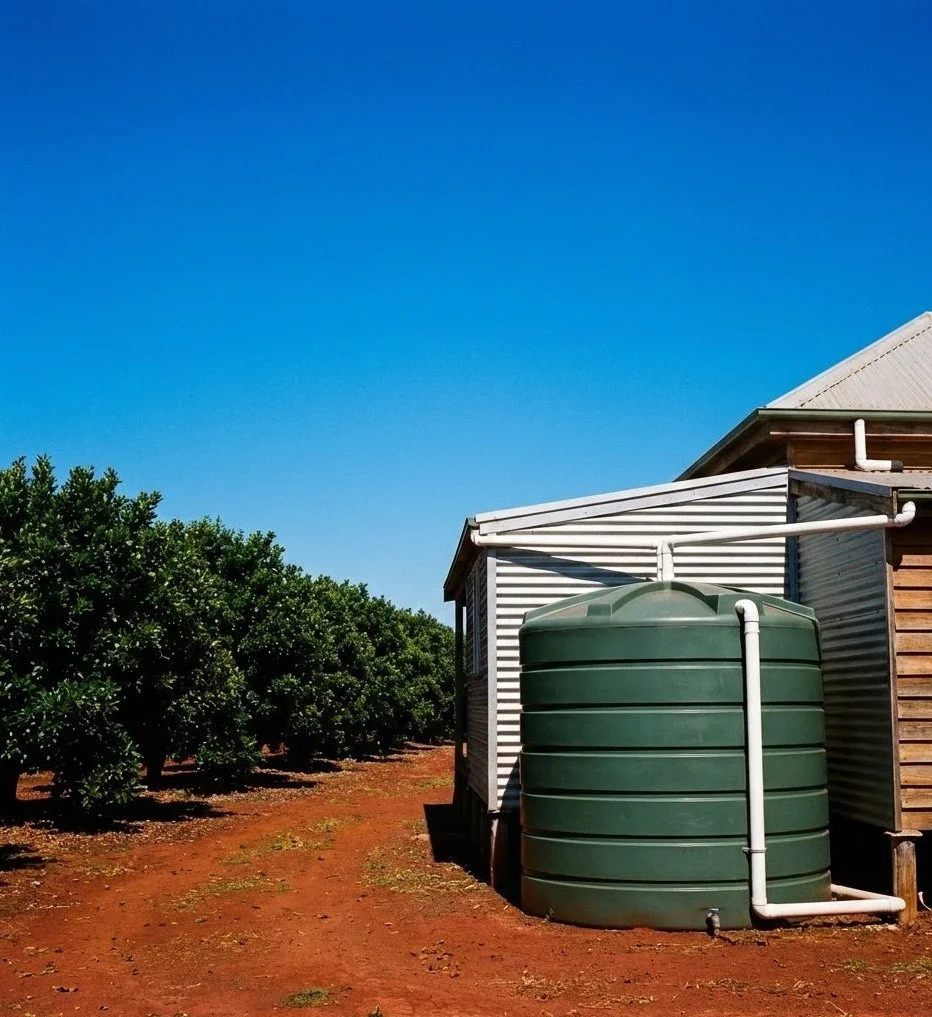
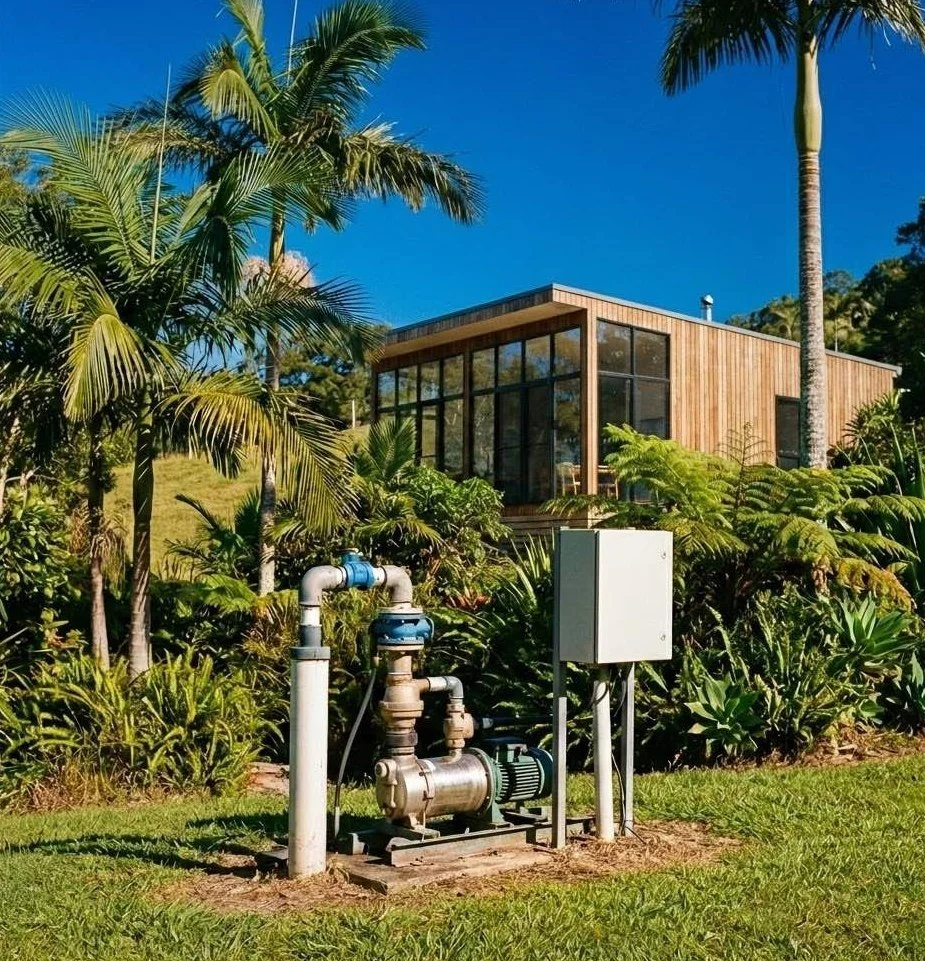

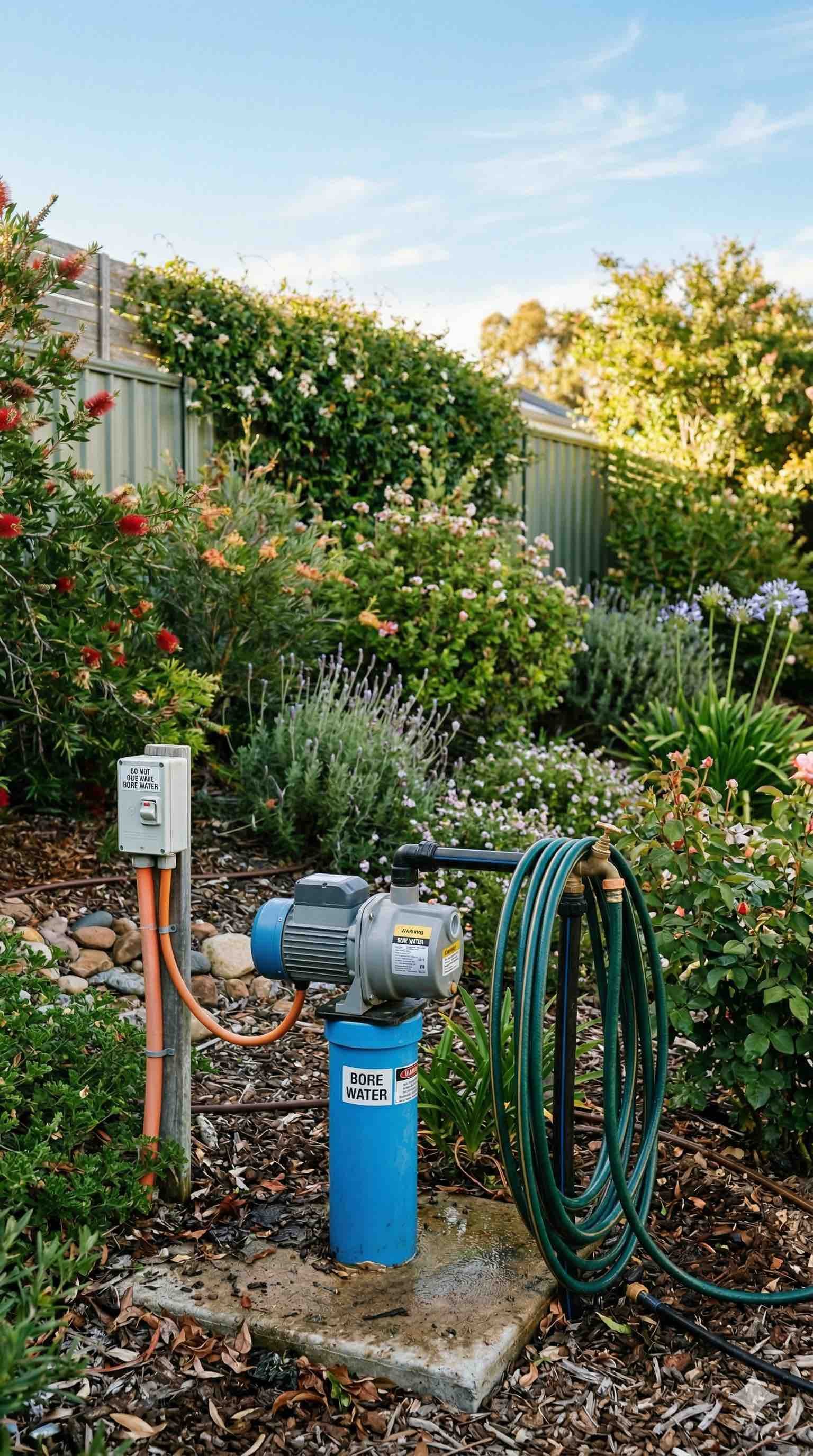
Wherever your water is,
we can test it
Our NATA-accredited testing reaches every postcode in Australia, with samples analysed at accredited laboratories across the country.
- Nationwide testing
Every postcode in Australia - NATA-accredited laboratories
Eleven locations across the country
Our laboratory network: Perth · Darwin · Adelaide · Hobart · Brisbane · Canberra · Melbourne · Sydney · Newcastle · Wollongong · Townsville
The same laboratories trusted by Australian councils, water utilities, and environmental regulators.
Professional-grade analysis, delivered to your door.
What We Analyse: A Deeper Look
-
Sources: Industrial compounds entering catchments via historical firefighting foams and industrial runoff.
Health Perspective: Monitored for potential bioaccumulation. Research links long-term exposure to altered thyroid and sex hormone levels, impacted kidney function, and changes in blood cholesterol.
-
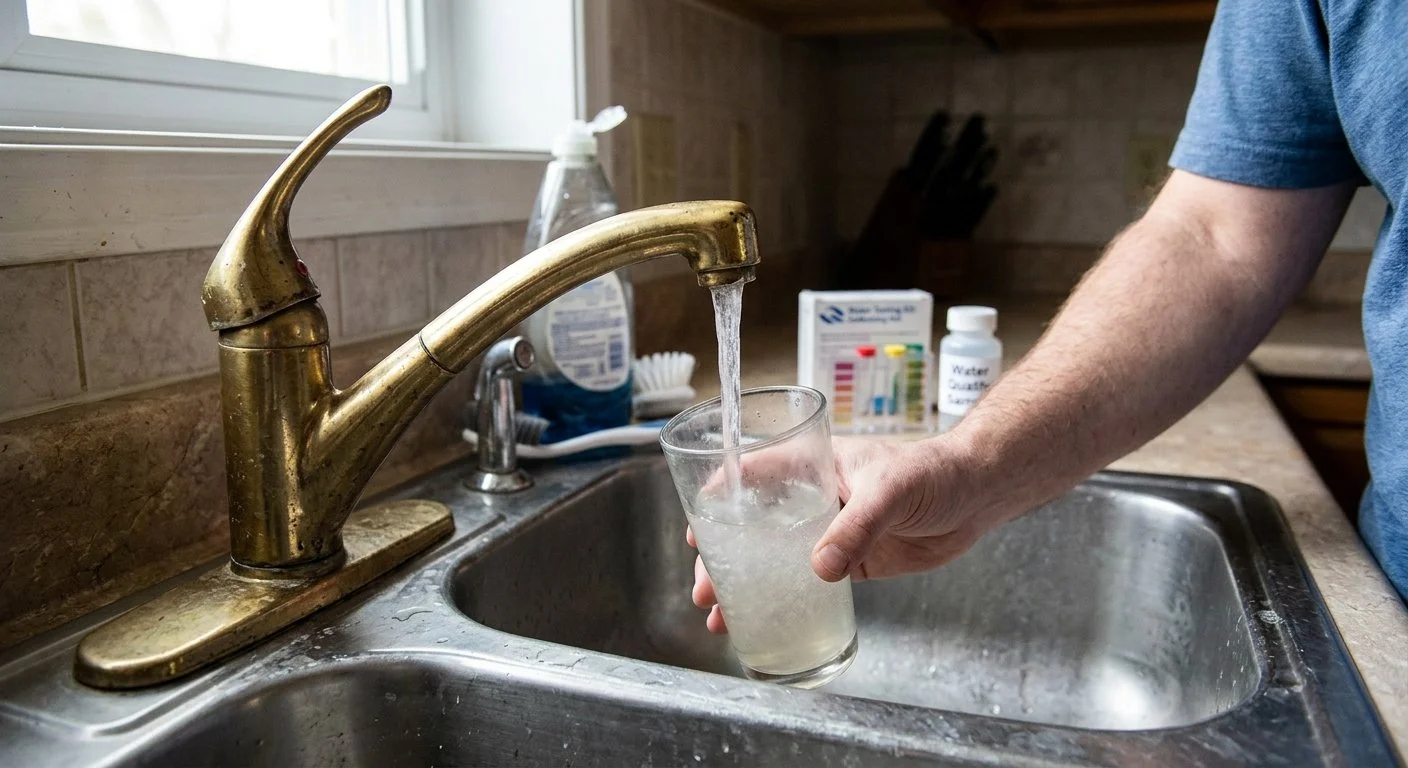
Sources: Heavy metals typically enter the water supply via three main pathways: the corrosion of household pipes, degradation of roof flashings, or natural geological leaching into groundwater aquifers.
Health Perspective: Many of these elements act as systemic toxins when ingested at elevated levels. While some metals are essential to the body in trace amounts, cumulative exposure is a known risk factor for adverse neurological development, impaired kidney filtration, and long-term cardiovascular health.
-
Sources: Microscopic particles resulting from environmental plastic breakdown or synthetic materials used in modern water distribution and storage.
Health Perspective: Research focuses on the ability of particles to cross biological barriers, potentially triggering systemic inflammation or acting as a carrier for other chemical pollutants.
-
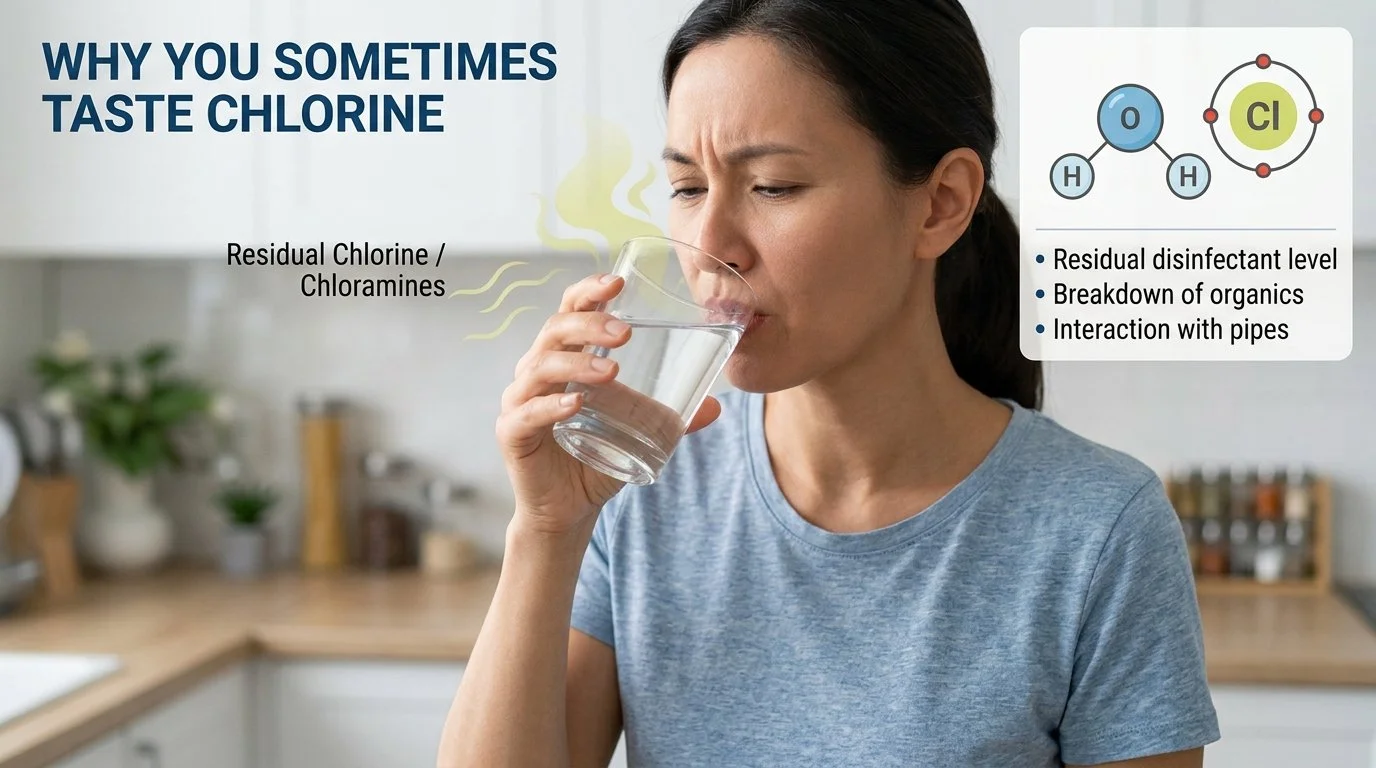
Sources: Formed when disinfectants (essential for biological safety) react with naturally occurring organic matter in town, tank, or bore water.
Health Perspective: While necessary for sanitization, chronic exposure to high concentrations of by-products is monitored for links to long-term cellular health and bladder/colorectal wellness.
-
Sources: Chemical leaching from solvent cements, adhesives, and synthetic piping materials (such as PVC and PEX) commonly used in modern plumbing and new builds.
Health Perspective: Monitored for their potential impact on the central nervous system and hormonal (endocrine) balance. Certain compounds, such as Formaldehyde, are classified as carcinogenic following long-term, cumulative exposure.
-
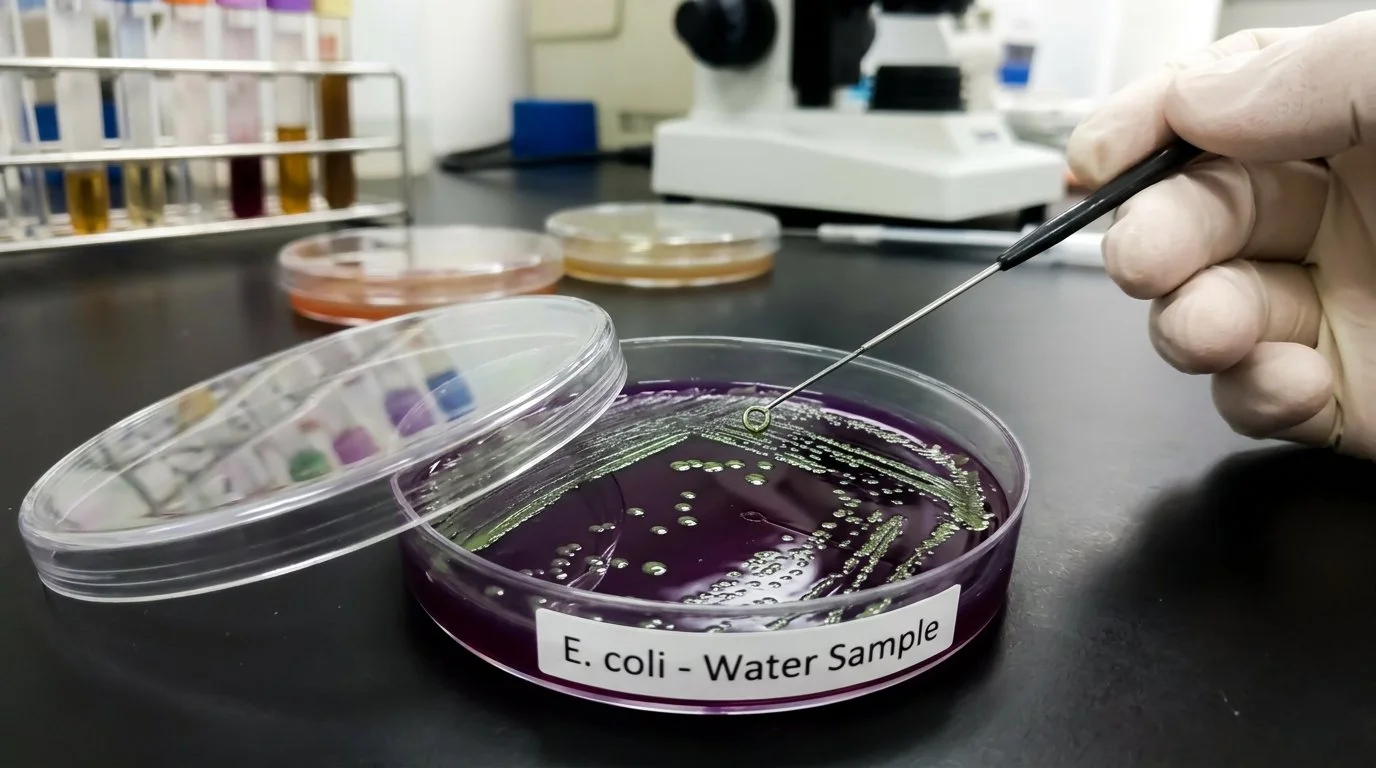
Sources: Bacterial contamination typically originates from septic system failure, agricultural runoff containing livestock waste, or wildlife (such as birds and possums) accessing rainwater catchment areas. Elevated Nitrogen levels (Nitrate/Nitrite) generally stem from intensive fertilizer use leaching into groundwater or effluent seepage from nearby wastewater systems.
Health Perspective: E. coli is a definitive indicator of recent fecal contamination; ingestion poses a high risk of severe gastrointestinal distress and indicates the likely presence of viruses or protozoa. High Nitrate levels are a critical concern for infants, as they can inhibit the blood's ability to carry oxygen (Methemoglobinemia or "Blue Baby Syndrome") and may disrupt thyroid function in adults.
-
Sources: These parameters reflect the "geological fingerprint" of your water. They originate from the natural weathering of bedrock, limestone aquifers (Calcium and Magnesium), and occasionally seawater intrusion or agricultural drainage (Sodium and Chloride).
Health & Aesthetic Perspective: While rarely toxic, these factors define the usability of your water. High Hardness causes scale buildup that destroys hot water systems and appliances, while low hardness can make water corrosive. Salinity (TDS) dictates palatability; high levels taste salty, corrode plumbing, and may be unsuitable for those on low-sodium diets. pH is critical for infrastructure—acidic water aggressively strips copper and lead from pipes, while alkaline water causes scaling.
-
Sources: These contaminants typically enter water supplies from external environmental activity. Pesticides and Herbicides often result from agricultural spray drift into rainwater tanks or leaching through soil into bore water aquifers. Industrial Solvents are frequently linked to the historical or current migration of chemicals from nearby commercial activities, workshops, or clandestine disposal sites into the groundwater.
Health Perspective: These synthetic organic compounds are monitored due to their high persistence in the environment and their potential for bioaccumulation in human tissue. Exposure is linked to the disruption of the nervous system, impaired liver and kidney function, and potential reproductive health risks. Many compounds in this screen are investigated for their long-term carcinogenic potential even at low concentrations.
Your Report
The clarity you need. Zero guesswork.
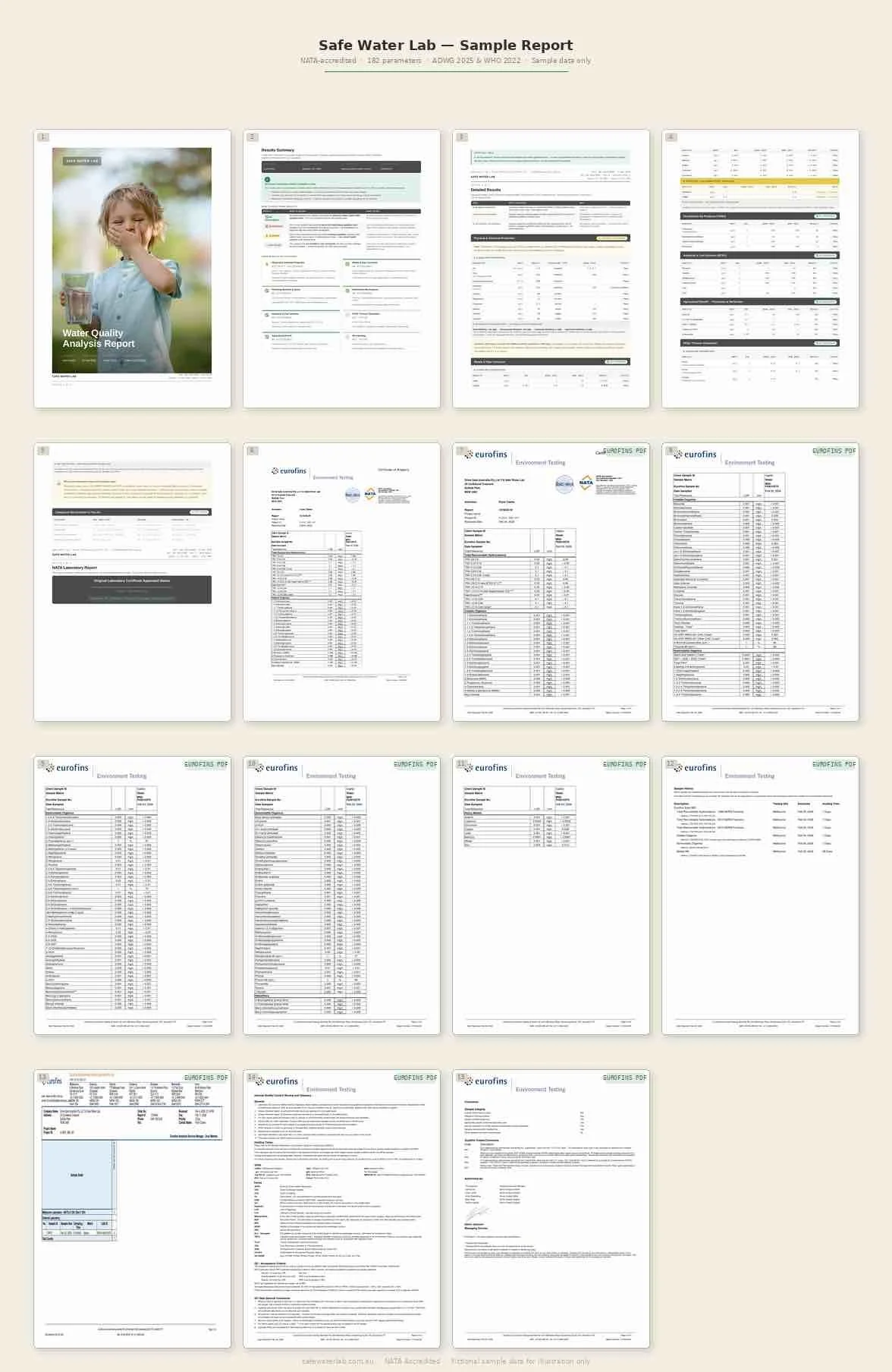
Every kit includes a Water Quality Analysis Report, prepared by an environmental scientist and delivered as a digital PDF.
Each report includes:
Results Summary — A one-page overview grouping results by contaminant category — microbiological, heavy metals, physical and chemical, and more — with pass/fail status and next steps for any exceedance. Know where you stand in 60 seconds.
Detailed Results — Every analyte compared against the relevant benchmarks: Australian Drinking Water Guidelines (ADWG), World Health Organization guidelines, and ANZECC livestock and irrigation water quality criteria where applicable.
NATA-Accredited Certificate — The original Certificate of Analysis from our partner laboratory. Your official record.
Get in touch
Questions, results queries, or just not sure where to start — we're here to help.
Frequently Asked Questions
-
It is incredibly simple. When your kit arrives, it includes step-by-step instructions. You simply fill the provided bottles from your tap, tank, or bore, write the date on the included form, and place everything into the pre-paid express return mailer. Drop it at any Australia Post Express Post collection point, and you are done.
-
Yes. The price you see covers absolutely everything: the physical sample kit, delivery to your door, pre-paid express return shipping to our NATA-accredited partner laboratory, and all professional scientific analysis fees. There are zero hidden costs.
-
Absolutely. Standard commercial lab results are full of confusing jargon. We don't just send you a spreadsheet; we provide a translated, easy-to-read environmental engineering report. We compare your specific water data directly against the Australian Drinking Water Guidelines (ADWG), so you know exactly where your water quality sits.
Latest Water Quality News