How It Works
-
Step 1 - Select and purchase your test
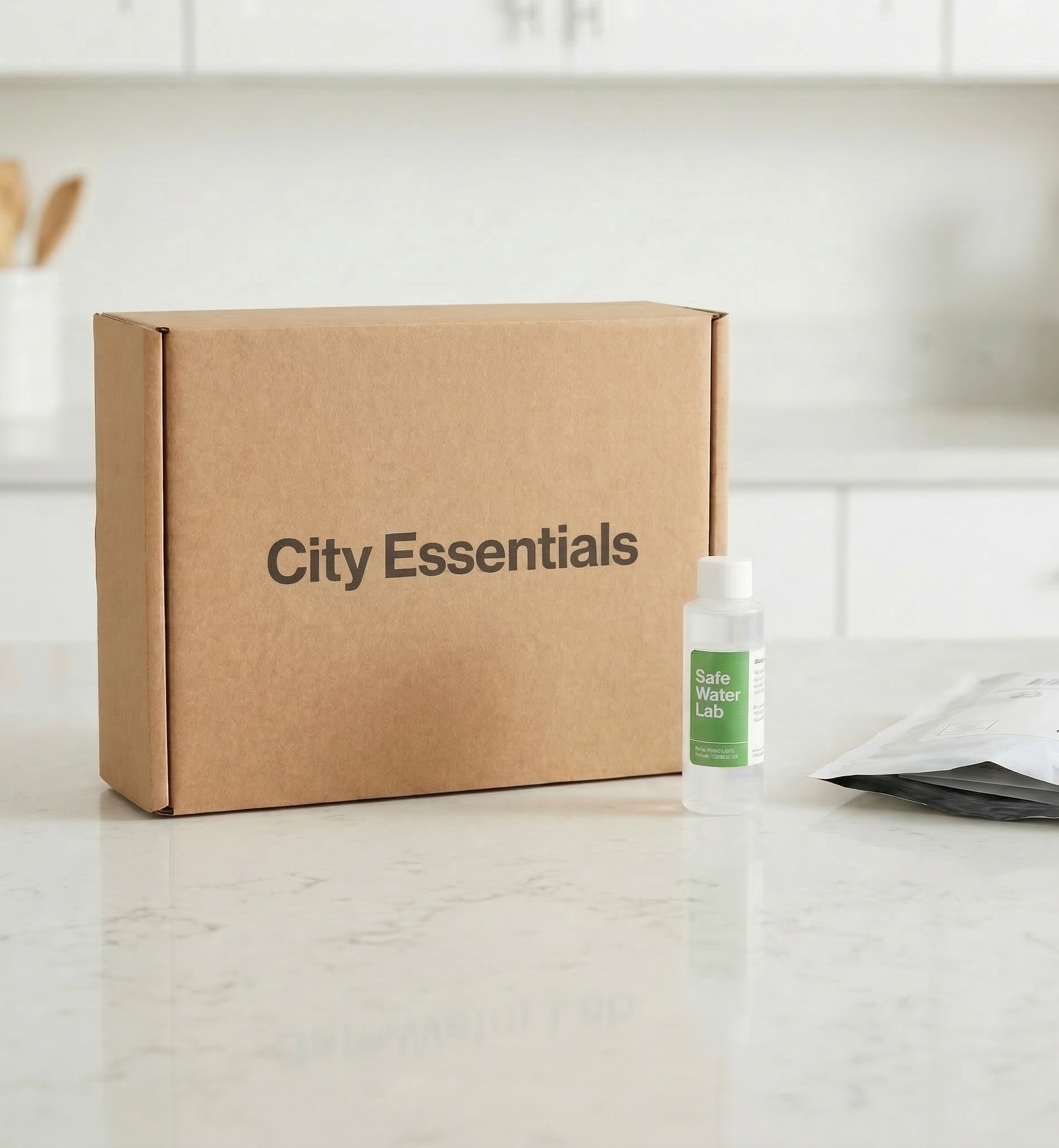
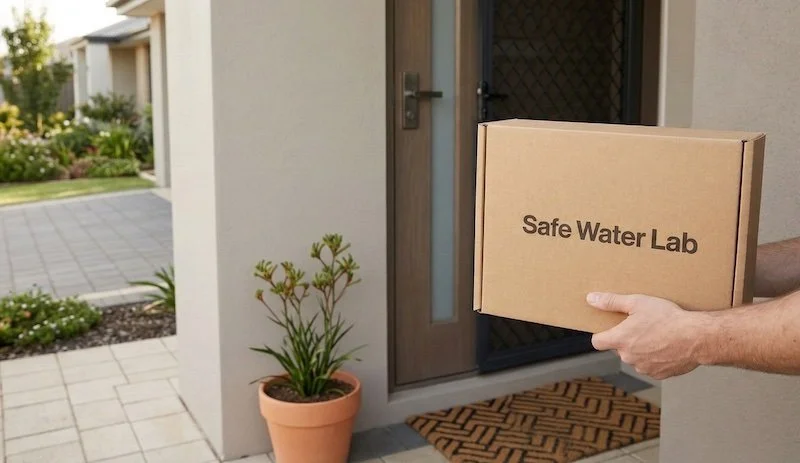
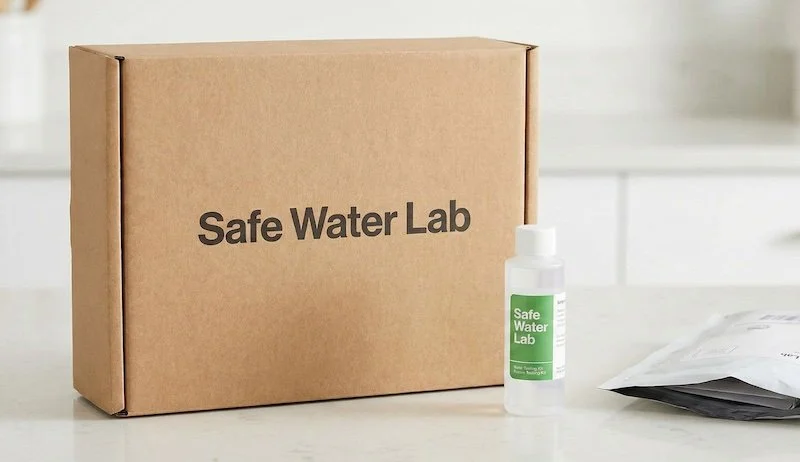
We mail you a testing kit complete with laboratory testing bottles and step by instruction of how to collect your sample.
-
Step 2 - Collect a water sample
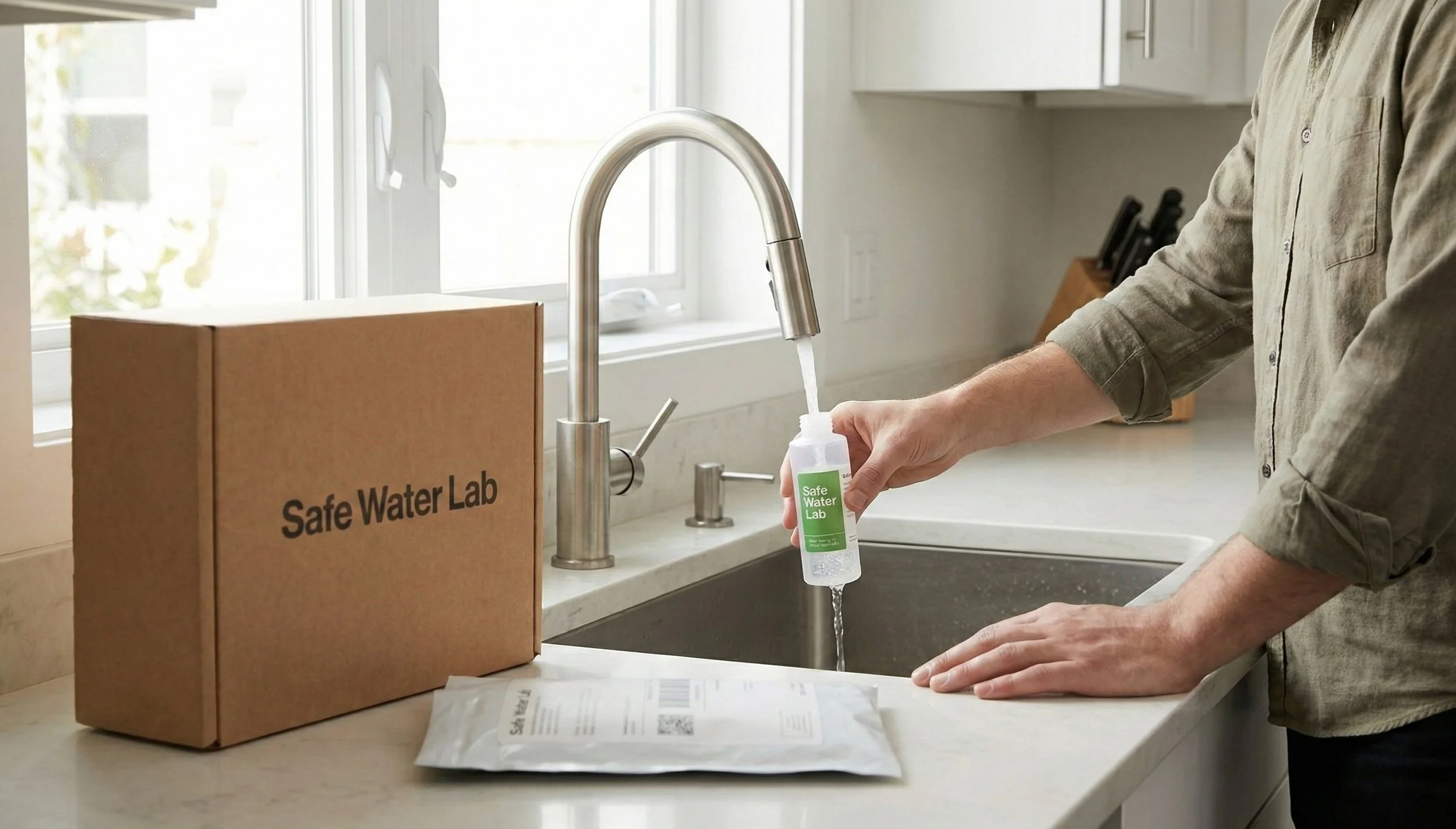
Fill the supplied laboratory testing bottles with a sample of your drinking water. Place the bottles in the supplied postage parcel complete with pre-paid express shipping return label and place in post.
-
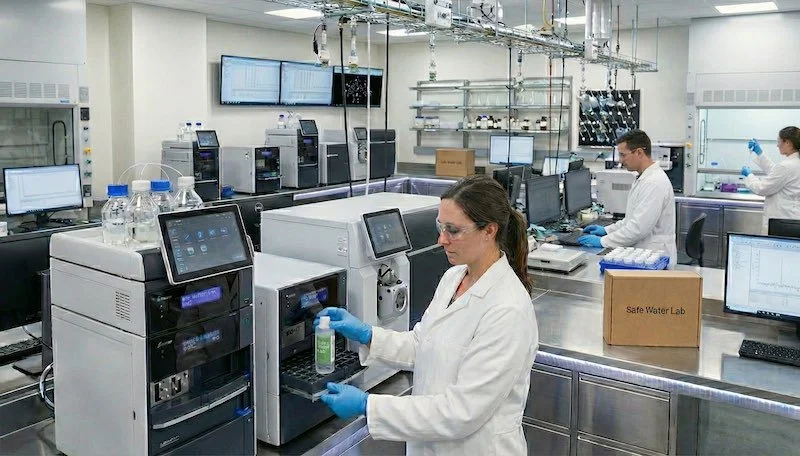
Step 3 - Laboratory Testing
Your water sample will be sent to a NATA accredited Australian laboratory for testing. Our laboratory partners typically complete the analysis within 5 business days.
-
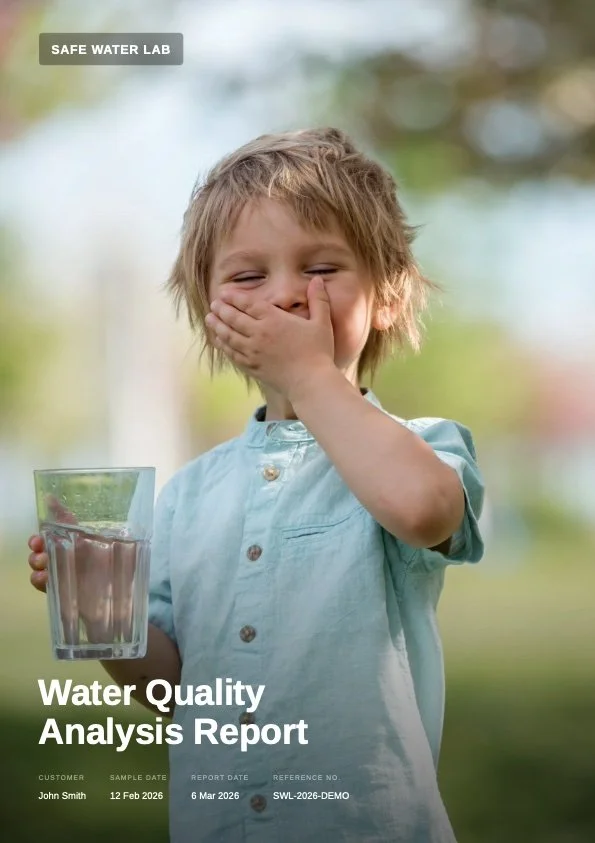
Step 4 - Receive your results
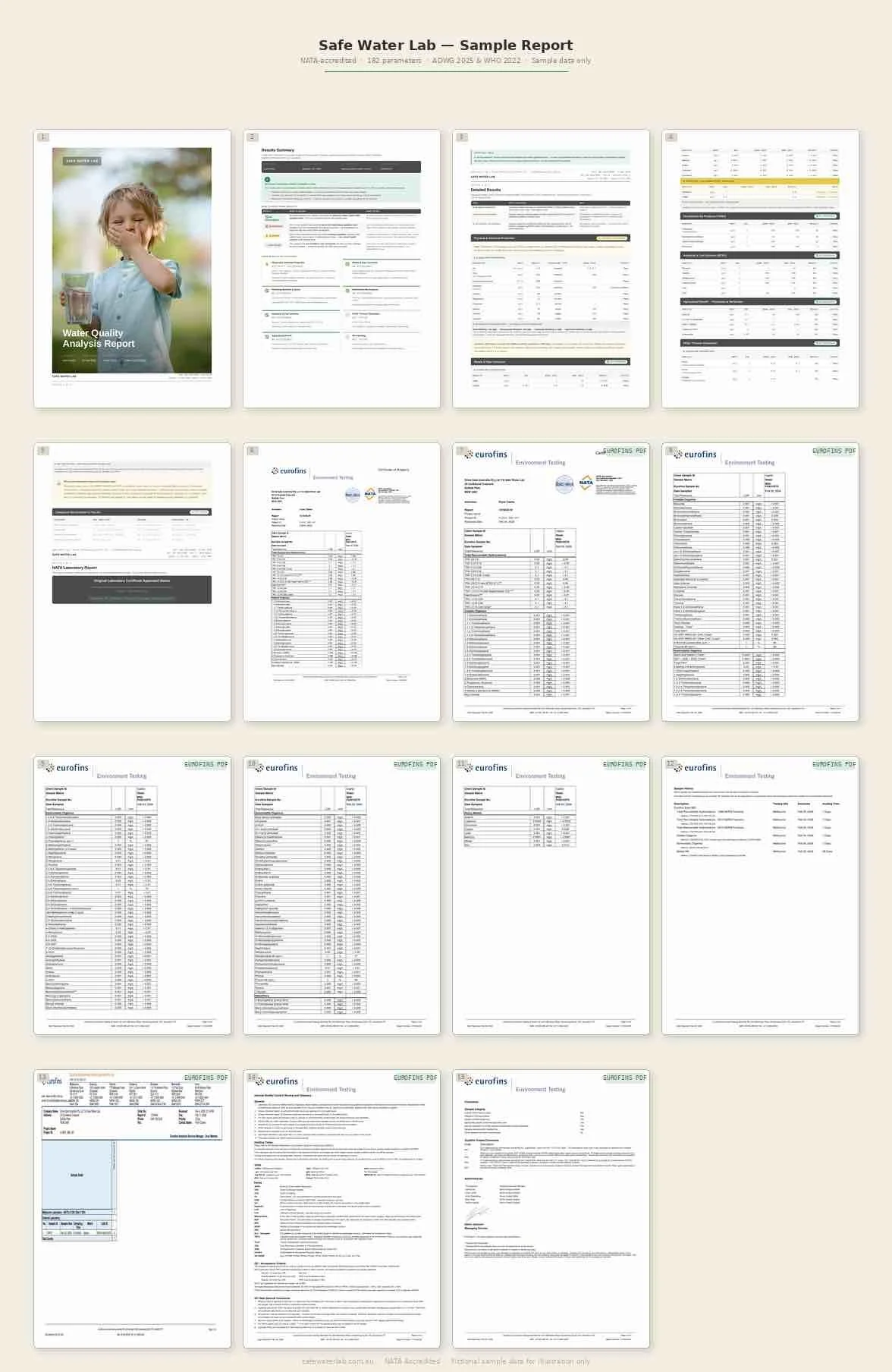
Your detailed Water Quality Analysis Report is delivered as a digital PDF — plain-English results benchmarked against Australian drinking water guidelines, with the original NATA-accredited Certificate of Analysis included.
Your Report
The Clarity you need. Zero guesswork.
Every kit includes a Water Quality Analysis Report delivered as a digital PDF. Each report includes:
Results Summary — Colour-coded report card with pass/fail by contaminant category and next steps if you have an exceedance. Know where you stand in 60 seconds.
Detailed Results — All your results, compared against national and international drinking water safety limits.
Certificate — The original NATA-accredited Certificate of Analysis from the laboratory. Your official record.
Which city water kit is right for you?
Treated mains water is safe at the plant — but the water at your tap travels through kilometres of pipe and your own internal plumbing first. Each kit builds on the one before it. Here's exactly what each one tests, and why each contaminant matters.
Already have a filter? Test before and after it.
A water test is the only way to know whether your filter is actually doing what it claims. Most household filters aren't independently certified to remove specific contaminants — and even good ones lose effectiveness as the cartridge ages. We recommend testing both your unfiltered tap water and your filtered water so you can see exactly what your filter is removing, and what it's missing. It's also worth re-testing periodically — every 12 months, or whenever you change cartridges — to confirm your filter is still performing. Because we don't sell filters, our results are genuinely independent: we simply tell you what's in your water, before and after.
The same laboratories trusted by Australian councils, water utilities, and environmental regulators.
Professional-grade analysis, delivered to your door.
Independent Testing by Environmental Scientists
Your council reports compliance at the system average. That doesn't tell you what's coming out of your tap. We test for the contaminants that actually reach city households — lead from older internal plumbing, disinfection by-products from the distribution network, PFAS from upstream sources, and microplastics. Results are interpreted by environmental scientists and benchmarked against the Australian Drinking Water Guidelines, so you can make an informed decision about your water and any treatment system you have or are considering.
We don't sell filtration systems, water softeners, or treatment products — and we don't have a referral arrangement with anyone who does. Our results don't lead to a sale. They tell you what's actually in your tap water, and what you do next is up to you.
Most Australian household filters aren't independently certified to NSF/ANSI 53 or 58 — the international standards for contaminant reduction. Manufacturer claims rarely come with verifiable test data. Lab testing your water before and after the filter is the only way to know whether the system is doing what it promised.
Lead and copper from older internal plumbing. Disinfection by-products like trihalomethanes formed in distribution. PFAS from upstream sources. Microplastics from pipework. Treatment plant compliance doesn't account for what happens in the kilometres of pipe between the plant and your kitchen.
Safe Water Lab is operated by environmental scientists with backgrounds in water quality and contaminated land. Every kit is specified for city water — we test for the contaminants that actually matter, choose the right test method and detection limit for each one, and write sampling instructions so the result reflects what's really at your tap. Every report is read by someone who understands what the numbers mean, before it reaches you.
- ✕Cannot detect PFAS, pesticides, or solvents
- ✕Lead detection limits 100× higher than the guideline
- ✕No measurement of trihalomethanes or disinfection by-products
- ✕Colour-match accuracy varies by user and lighting
- ✓Up to 134 parameters at trace detection levels
- ✓Lead, copper, and 19 other metals quantified to µg/L
- ✓Disinfection by-products including THMs reported separately
- ✓Results signed off by an accredited laboratory — auditable, traceable, defensible
Your treatment plant tests once a day, at the plant. The water at your kitchen tap travels through pipes, fittings, and storage tanks the plant can't see. The only way to know what you're drinking is to test where you drink it.
City Water - Common Questions
-
Possibly. While lead pipes were phased out in new construction from the 1980s, brass fixtures and fittings used well into the 1990s and 2000s can contain significant lead. Additionally, if your suburb has older mains infrastructure, lead can still enter the supply before it reaches your property.
-
The Australian residential water filter market operates without mandatory product certification or independent performance verification. Manufacturers are not required to substantiate contaminant removal claims before bringing a product to market — meaning the performance figures on the packaging are largely self-reported. A NATA-accredited laboratory baseline provides the only objective, scientifically defensible audit of whether your filtration system is performing as claimed, or creating a false sense of security.
-
It is incredibly simple. When your kit arrives, it includes step-by-step instructions. You simply fill the provided bottles from your tap, write the date on the included form, and place everything into the pre-paid express return mailer. Drop it at any Australia Post Express Post collection point, and you are done.
-
Utilities test at the treatment plant and at selected points in the distribution network — not at your tap. The water that reaches your kitchen has travelled through kilometres of distribution mains and your own internal plumbing. Metals can leach from pipes and fittings, and disinfection by-product concentrations typically increase with transit time. This kit tests what actually comes out of your tap.
-
Treated municipal water contains a chlorine residual specifically to prevent microbial contamination. This residual makes culture-based E. coli and coliform tests unreliable at the tap — you're more likely to get a false result than a meaningful one. If your water has lost its chlorine residual (which would indicate a distribution problem), you'd typically notice it by taste or odour before a test kit arrives. Our bore and tank kits include microbiology because those sources have no disinfection residual.
-
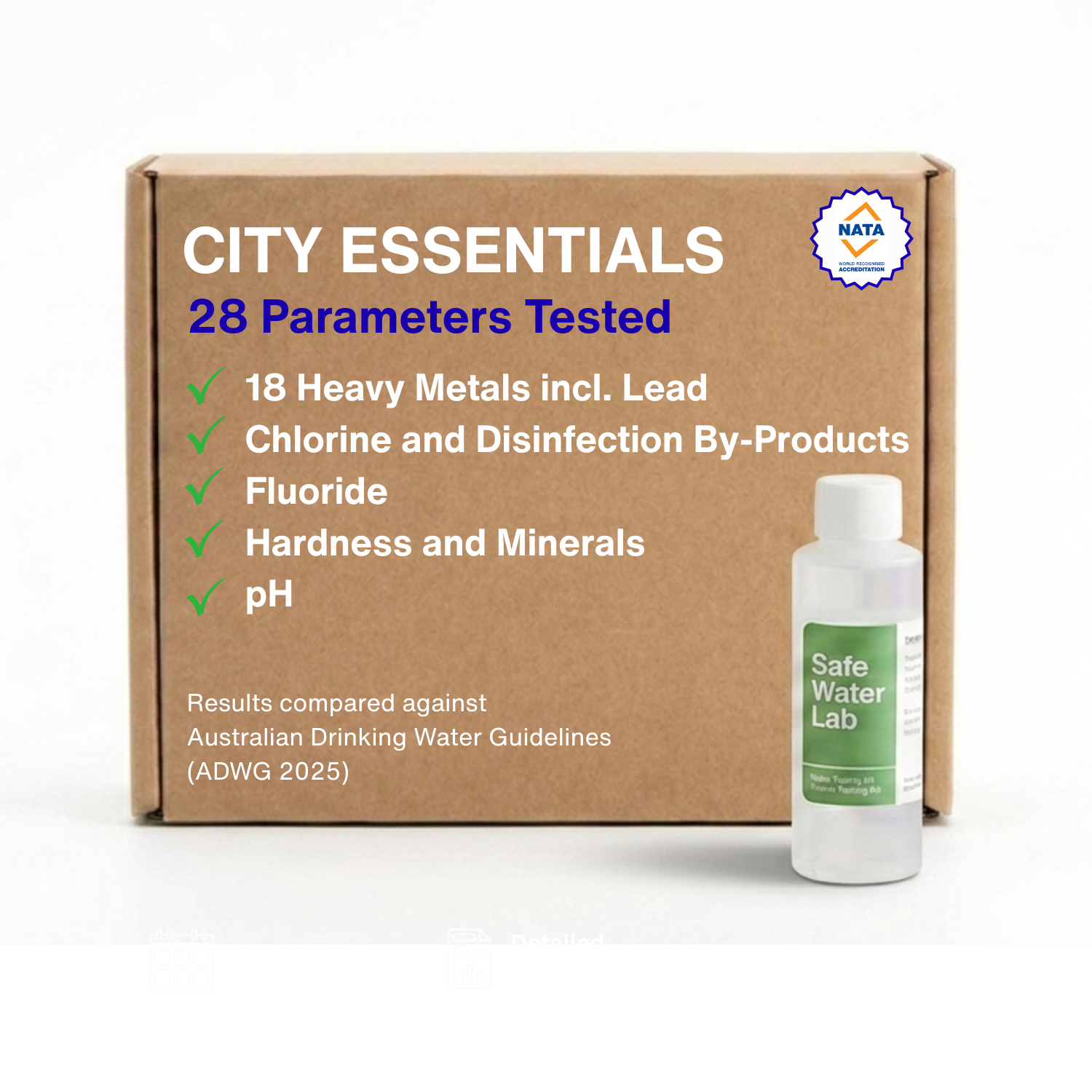
City Essentials covers the core health parameters — metals, minerals, and water chemistry. City Complete adds disinfection by-products and a full volatile organic compound screen for a comprehensive chemical profile. City Advanced adds PFAS screening. If you want everything in a single kit, the Complete Water Audit covers 214 parameters across every contaminant class. Email us at info@safewaterlab.com.au with your suburb and we'll recommend a kit.
-
Our laboratory partner completes analysis within 5 business days of receiving your sample. Your report is typically delivered by email 1–2 business days after that. Total time from posting your sample to receiving results is around 7–9 business days depending on postal transit.